


Nylon dental prosthetics
Prices for nylon dental prostheses
| Service | Price (UAH) |
| Removable prosthetics: nylon micro prosthesis | 4 800 |
| Removable prosthetics: clasp prosthesis with nylon base | 17 000 |
| Removable prosthetics: clasp prosthesis with nylon base Premium | 23 000 |
| Removable prosthetics: partial removable prosthesis from nylon | 9 500 |
| Removable prosthetics: full removable prosthesis from nylon | 10 000 |
| Partial removable prosthesis | from 7 700 |
| Full removable prosthesis | from 8 000 |
| Clasp prosthesis on clasps | from 14 500 |
| Partial removable prosthesis from nylon | 9 500 |
| Full removable prosthesis from nylon | 10 000 |
| Acrylic micro prosthesis (1-2 teeth) | 3 300 |
Nylon prosthesis for the upper jaw photo
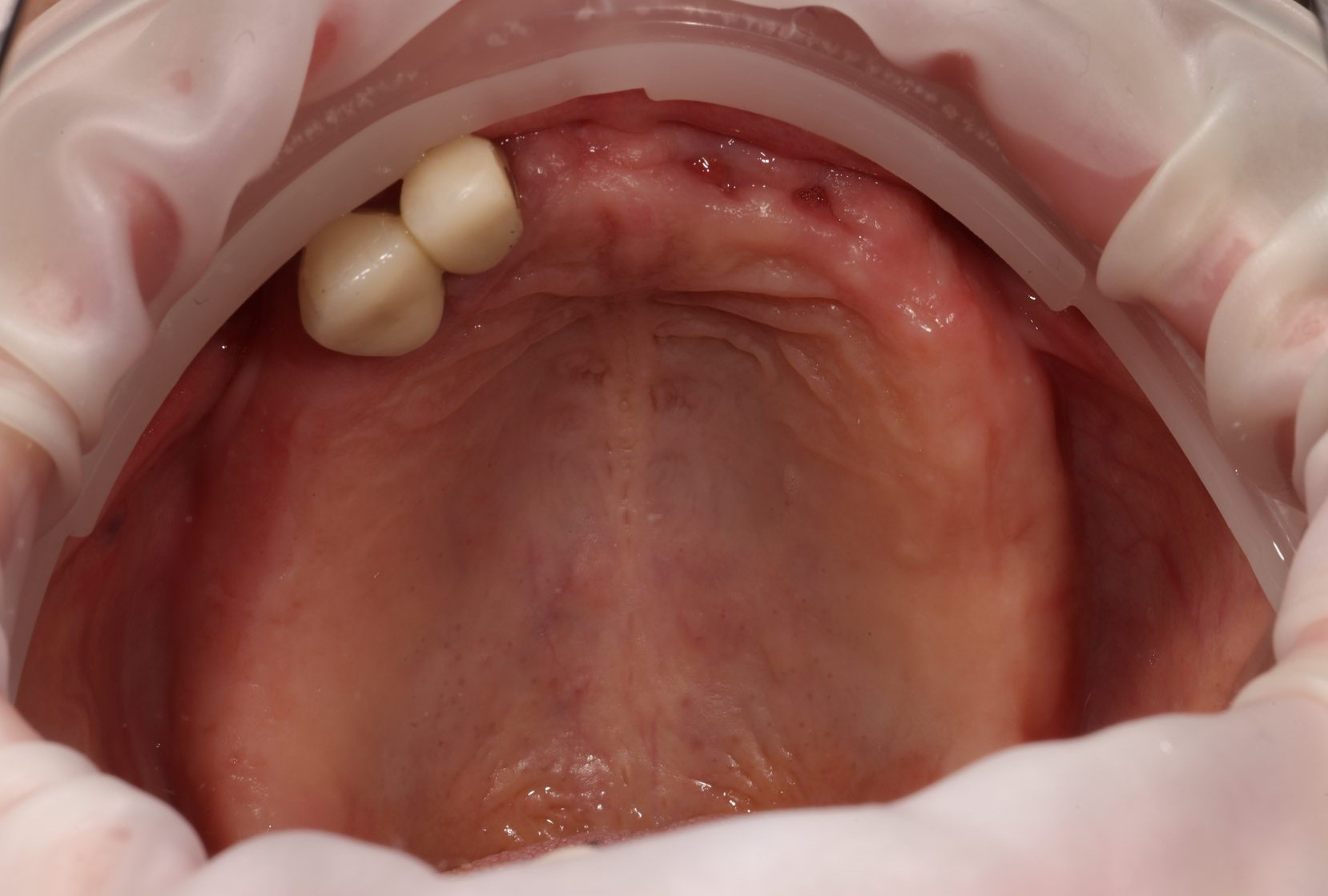
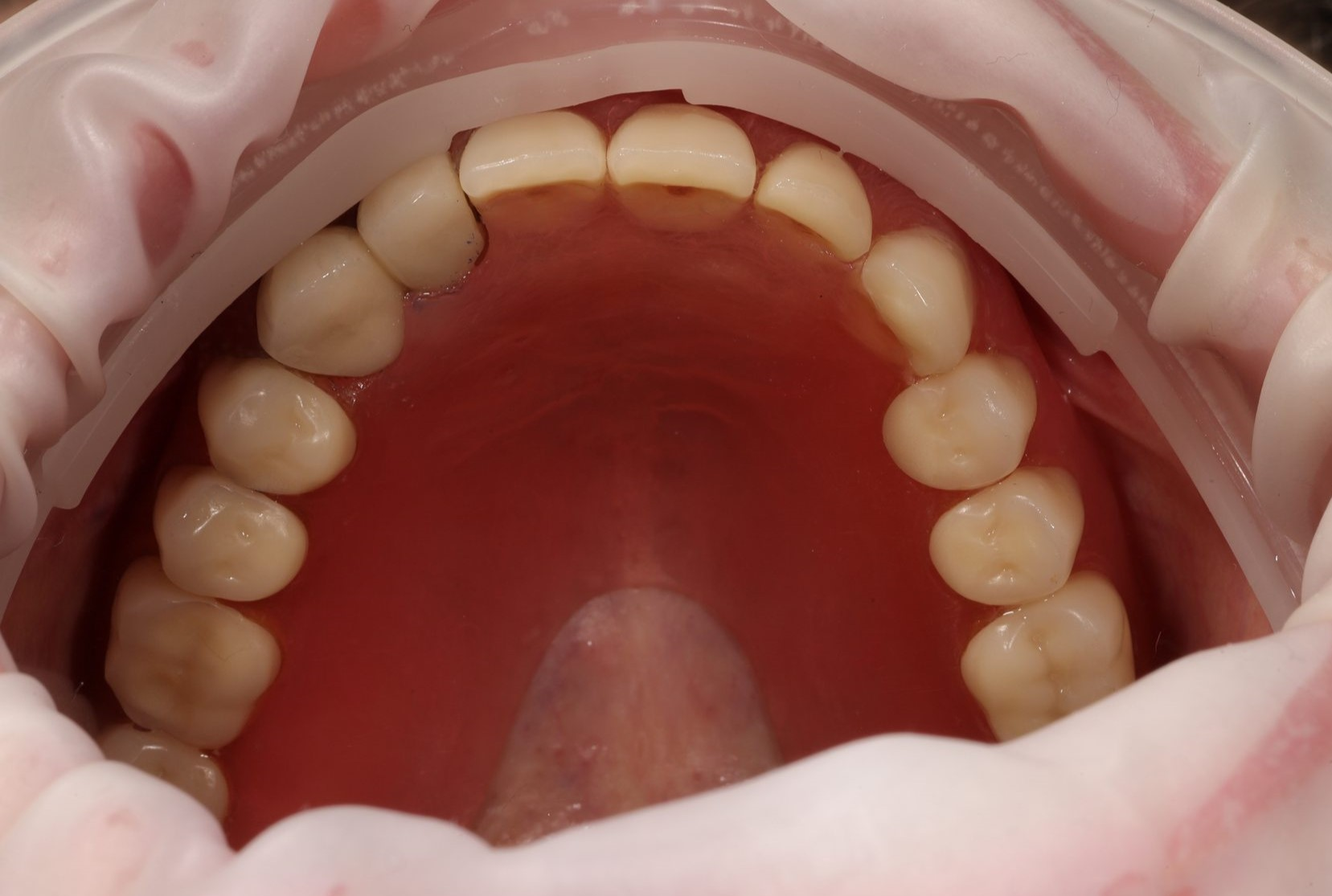
WHAT IS A NYLON SOFT DENTAL PROSTHESIS?
Today, achieving a healthy and beautiful smile is within everyone’s reach, thanks to advancements in orthopedic dentistry. Nylon dental prosthetics effectively address the challenge of missing teeth, offering a reliable, flexible, and aesthetically pleasing solution. Initially introduced in Ukraine for temporary use, these prosthetics have evolved to become durable options for long-term applications.
Nylon dental prosthetics are versatile solutions suitable for both the upper and lower jaws, capable of replacing one, several, or all teeth. Nylon’s unique properties—flexibility, softness, durability, and resistance to damage—make it an ideal material. Additionally, it is hypoallergenic, does not absorb odors, and prevents bacterial growth, ensuring excellent hygiene and aesthetic appeal.
Types of Nylon Dental Prosthetics
Modern removable nylon structures are divided into three types.
Full Nylon Dentures
This nylon dental prosthesis is often used for those patients who need a complete replacement of lost teeth. The prostheses provide comfort, a natural appearance, and minimal intervention by the dentist.
Partial Nylon Dentures
Used to replace one or more missing teeth while preserving the remaining healthy ones. An excellent alternative for patients who prefer not to opt for bridgework.
Mini-Dentures (“Butterfly”)
These are small dentures made to restore one or two lost teeth. They are compact and pleasant to look at. They are ideal for minor defects.
Nylon Bugel Prosthesis
A nylon bugel prosthesis is a modern and comfortable type of partial removable prosthesis made from flexible and durable nylon. It is used to restore partial tooth loss and provides a comfortable fit due to its elasticity.
METHOD OF FIXATION FOR NYLON DENTAL PROSTHESES
Nylon dental prostheses are fixed using clasps, which, due to their flexibility, tightly wrap around the supporting tooth. This ensures a secure and comfortable fit without the need for additional attachments or adhesives. The flexibility of nylon also allows for better adaptation to the shape of the teeth and gums, providing a more natural and stable fit for the patient.
THE ROLE OF THE DENTIST IN PREPARING FOR FLEXIBLE DENTURE PROSTHETICS
The dentist plays a crucial role in the successful creation and placement of nylon dental prosthetics. Their expertise and attention to detail are key to achieving optimal results. The specialist conducts a thorough diagnosis, evaluates the condition of the teeth, gums, and jaws, and, if necessary, makes nylon dentures. The dentist selects the appropriate type of prosthesis, taking into account the anatomical features of the patient, his wishes,s and budget. In addition, the doctor is responsible for accurate measurements, taking impressions, and quality control of the finished product, and also teaches the patient the rules for caring for the prosthesis to ensure long-term and comfortable use.
Are Nylon Dentures Suitable for Allergy-Prone Individuals?
Yes, nylon dentures are considered an ideal choice for people with allergies. This is due to the fact that the material they are made of is completely hypoallergenic. Unlike acrylic or metal dentures, nylon does not contain substances that can cause irritation or allergic reactions.
In addition, no toxic or irritating components are used in the manufacturing process of nylon dentures. This makes them safe even for those who have increased sensitivity to chemicals.
Another advantage is the absence of metal fasteners that can cause an allergic reaction or an unpleasant taste in the mouth. Nylon dentures are fixed due to their flexibility and anatomical shape, which eliminates the need for additional irritating elements.
Thus, nylon dentures provide comfortable and safe use for people with any type of allergy, while not inferior in aesthetics and functionality to other types of dental structures.
INDICATIONS FOR SOFT NYLON DENTURES
Nylon dentures are often recommended in the following cases:
- Missing one or more teeth.
- Patients are unwilling to undergo tooth preparation for fixed prosthetics.
- Allergies to acrylic, metal, or other materials.
- High-risk professions where robust and flexible solutions are essential.
Nylon is used in dentistry not only in the field of prosthetics. Nylon is made to form artificial gums, and it is also used in the production of mouthguards for sports and aesthetic purposes.
Contraindications for Nylon Prosthetics
It is better to postpone dental prosthetics, nylon prosthesis, or refuse it altogether in the following situations.
While nylon prosthetics are versatile, certain conditions may require alternative treatments:
- Advanced Periodontitis (Stages 3–4): Severe tissue damage and tooth mobility limit prosthetic stability.
- Short Crown Heights: Insufficient tooth height complicates secure fixation.
- Gum Inflammation: Conditions like gingivitis or stomatitis must be treated before prosthetic placement.
- Excessive tooth mobility: teeth are prone to active movement, the possibility of reliable fixation of the orthopedic structure may be questionable.
- Severe Bone Atrophy: Bone grafting may be necessary before prosthetic placement.
- Terminal Teeth Replacement in One Row: Stabilizing the prosthesis may be difficult in such cases.
The cost of nylon removable dentures may vary depending on the complexity of the design, the number of teeth being replaced and other individual factors.
Caring for Nylon Dental Prosthetics
After prosthetics, the dentist tells the patient how to care for the oral cavity and dentures in particular. It is important to remind the patient that brushing teeth with toothpaste and a brush twice a day after meals is extremely important – this is the golden rule. After eating, remove and rinse the denture. Daily cleaning of soft nylon dentures with professional paste will remove pigmentation and plaque. Interdental spaces are cleaned with dental floss. Twice a week, the denture is rinsed with a disinfectant liquid using an irrigator.
Periodically, the orthopedic structure is dipped in a special solution to remove plaque and limescale. Every six months, it is necessary to visit the dentist for professional cleaning. Nylon dentures for the upper and lower jaws must be protected from damage (they are durable, but they can be broken). The patient should not interfere with the structure on their own.
NYLON DENTAL PROSTHETICS AT CRYSTAL DENT DENTAL CLINIC IN KYIV
Looking for a professional dentist in Kyiv? Then you should check out Crystal Dent! Patients leave only positive reviews, which is the best testament to the quality of our doctors’ work.
The Crystal Dent clinic uses advanced technologies of modern dentistry, combining them with affordable prices. Sign up for a consultation at Crystal Dent!
Leave a request on the website or call the number to find out all the details and sign up at a convenient time. Do not postpone taking care of your health – start the path to a perfect smile today!