


Metal-Ceramic Crown: Features, Advantages, and Disadvantages
[price id=”5242″]
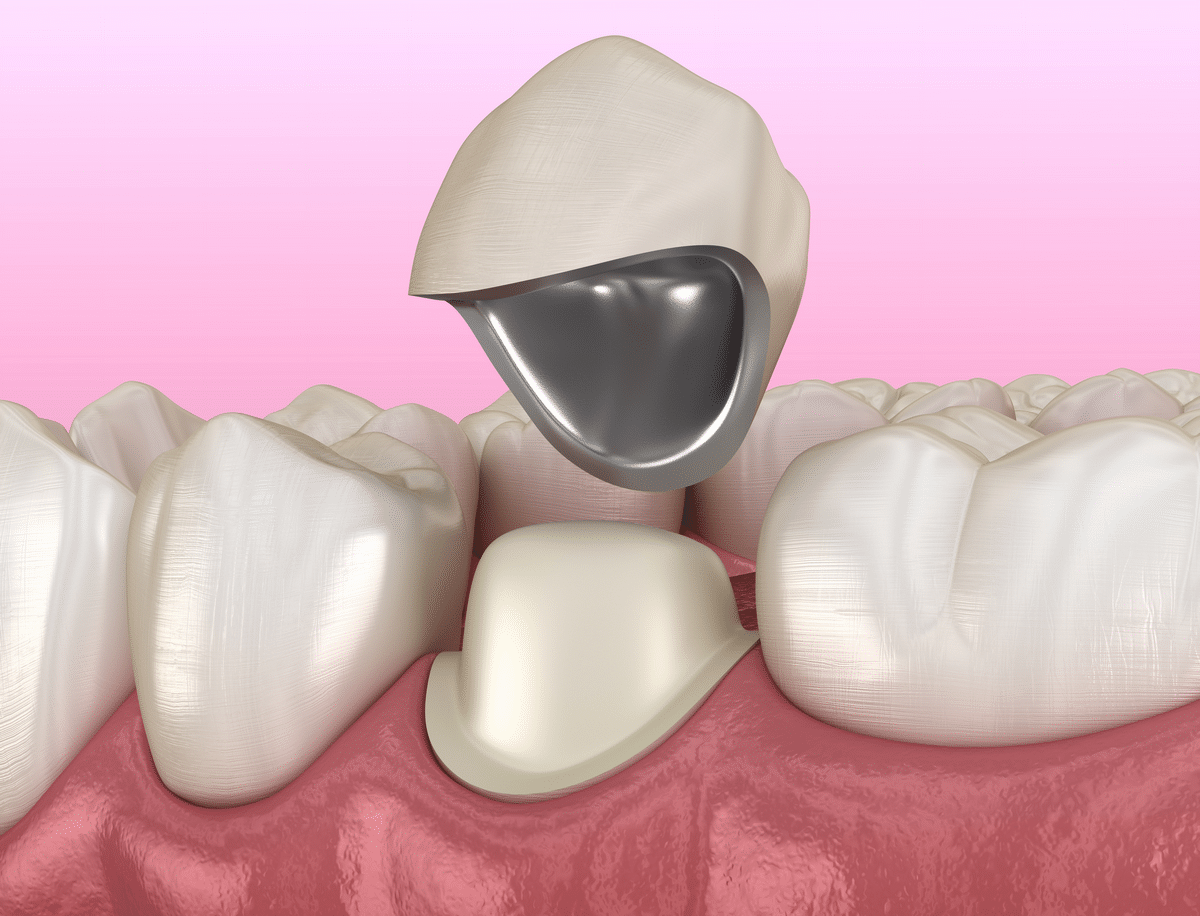
Nowadays, a multitude of dental problems can lead to tooth decay. According to specialists, installing a crown is the best solution for preserving teeth. It can fully restore a tooth and its functions. The crown is stable and resembles a cap that covers the preserved part of the tooth, perfectly imitating a healthy tooth in structure, appearance, and color.
What is a Metal-Ceramic Crown?
A metal-ceramic crown is a dental construction made from metal alloys that fully replicates the functions and appearance of a lost tooth. Each crown is custom-made for individual patients, perfectly mimicking the shapes of the lost tooth. Externally, the prosthesis completely imitates dental enamel and dentin and consists of several layers of dental coating.
These layers undergo thermal treatment, providing the construction with a high level of strength. The metal-ceramic crown is fixed using dental cement and fully retains the functionality and aesthetics of the tooth.
Materials such as nickel, chromium, gold alloy, or cobalt are commonly used to create the crown. The structure and color of the teeth resemble natural ones, though the ceramic does not convey the natural transparency of enamel.
Prosthodontists recommend using these crowns for molar teeth because over time, metal can become visible along the gum line.
Lifespan of Metal-Ceramic Prostheses
The lifespan can be influenced by several factors, including:
- The quality of the product.
- Conditions of crown care.
- Individual characteristics of the person.
The crown is installed after preparing the damaged tooth. This preparation typically involves cleaning the tooth from decay, removing nerves, and filling all canals.
With proper hygiene practices and following the dentist’s recommendations, the lifespan of the crown can range from 10 to 15 years, and sometimes even longer. At the end of its lifespan, the crown requires complete replacement. If there is any discomfort or changes in the prosthesis, it is advisable to consult a dentist for further examination and necessary treatment.
Who is Suitable for a Metal-Ceramic Crown?
When choosing a crown, dentists recommend undergoing an individual examination to select the type of crown and material. Metal-ceramic crowns are an ideal option for molar teeth due to the reliability of their construction and durability.
Metal-ceramic products are ideal for ensuring the stability and functionality of the tooth. For those looking for a budget-friendly prosthetic option, metal-ceramic is well-suited.
However, metal-ceramic crowns are not recommended for front teeth, as more aesthetic options, such as zirconia or all-ceramic, are available in modern dentistry. Additionally, the metallic framework may become visible at the gum line on the front teeth.
Care Recommendations for Metal-Ceramic Dental Prostheses
Metal-ceramic prostheses should be cared for just like natural teeth. It is recommended to brush twice a day, not overlook hard-to-reach places, and not to forget about additional cleaning methods, such as interdental brushes.
It is advisable to rinse the oral cavity after every meal. The full range of care procedures for a metal-ceramic product involves professional oral hygiene, which is recommended to be performed once every six months.
Advantages of Installing a Metal-Ceramic Crown
Before deciding to install a metal-ceramic crown, it is worthwhile to consult with a specialist who can discuss the advantages of the crown. Among the main advantages are:
- Long lifespan, which can reach up to 15 years.
- The material does not contain toxic additives.
- Accessibility for a larger portion of the population.
- High wear resistance. There are no damages or deformations even under prolonged stress.
- They have a good aesthetic appearance.
- Suitable for making bridge prostheses.
Metal-ceramic prostheses are a good alternative solution for teeth with severe decay. The crown provides an enhanced level of stability for dental coverage, especially when filling is no longer effective. Additionally, metal-ceramic crowns are used to cover teeth that have undergone root canal treatment, to prevent splitting and future removal.
Disadvantages of Metal-Ceramic Crowns
Despite the many advantages of metal-ceramic products, they also have their drawbacks, which are important to consider. Here are the main ones:
- The need for prior preparation of the tooth, which in most cases involves nerve removal and significant reshaping.
- Possible allergic reactions to the metal component, leading to an inflammatory process in the gums.
- At the junction of the gums and crown, there may be a discoloration of the gums.
- If the soft tissues recede, the metallic structure may become visible.
- If the crown is not properly cared for or if the top layer is mechanically damaged, there is a risk of chipping.
- It can be difficult to match the shade exactly to the natural color of the teeth.
Contraindications for Installing a Metal-Ceramic Crown
When choosing prosthetics, it should be noted that metal-ceramic crowns are not suitable for all patients, as some have contraindications for reasons such as:
- Excessive destruction of tooth tissues.
- Presence of caries or periodontal disease on the supporting teeth.
- Allergic reactions to metal materials.
There is no need to be discouraged if you find yourself having these contraindications. Modern dentistry has a wide range of technologies and methods for restoring teeth, among which it is possible to find the most optimal solution for each patient.